
Vertigo isn’t just dizziness. It’s the feeling that the room is spinning, even when you’re completely still. For many people in Georgia, it disrupts sleep, makes driving dangerous, and turns everyday tasks into a challenge.
Most patients have tried the basics — their primary care doctor, maybe an ENT specialist. They get a diagnosis like BPPV (benign paroxysmal positional vertigo), vestibular neuritis, or Meniere’s disease. They’re given exercises or medication. Sometimes it helps. Often, it comes back.
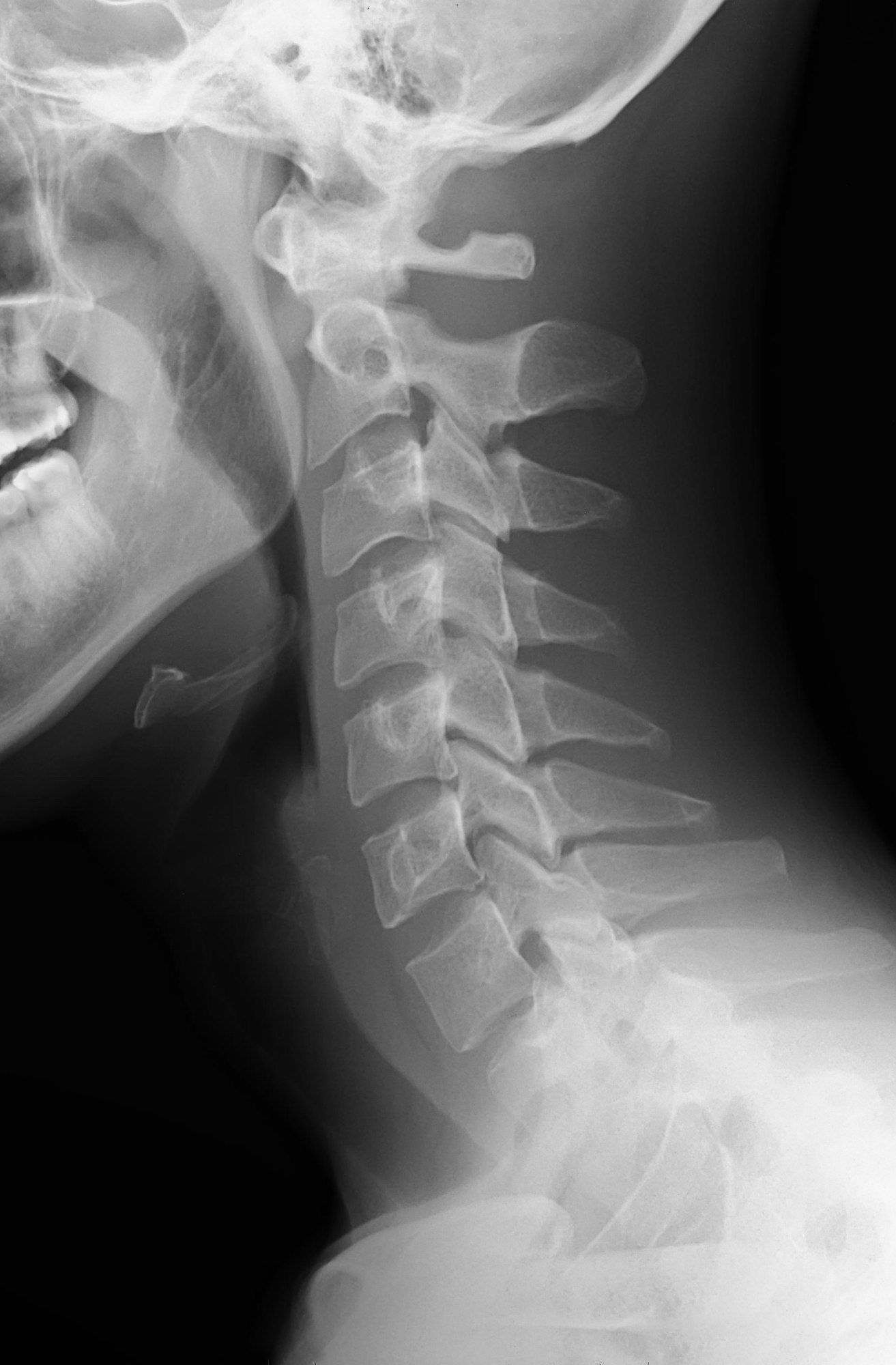
What most patients are never told is this: the upper cervical spine — specifically the top two bones in your neck — plays a direct role in balance and inner ear function. And when those bones are even slightly misaligned, vertigo can follow.
The Upper Cervical Connection to Vertigo
The atlas (C1) and axis (C2) sit at the base of your skull. This area is unlike any other part of your spine. It surrounds the brainstem, runs close to the inner ear, and is home to a dense network of nerves, blood vessels, and proprioceptive sensors.
When the atlas or axis shifts out of proper alignment — even by a fraction of a millimeter — several things can happen:
- Brainstem pressure or irritation can interfere with the signals your brain receives about balance and spatial orientation
- Reduced blood flow through the vertebral arteries can affect how the brain processes vestibular information
- Tension in surrounding muscles and connective tissue can disrupt the inner ear’s pressure regulation, which is directly linked to conditions like Meniere’s disease
This isn’t speculation. There’s a growing body of research connecting upper cervical misalignment to inner ear dysfunction and vertigo.
How Upper Cervical Chiropractic Care Is Different
Most people picture chiropractic care as loud pops and twisting adjustments. Upper cervical care is nothing like that.
At Upper Cervical Chiropractic of GA, the approach is precise, gentle, and specific. Here’s what the process typically looks like:
1. Detailed Consultation and History Your chiropractor will ask about your vertigo — when it started, how often it occurs, what triggers it, and any history of head or neck trauma. Falls, car accidents, sports injuries, and even birth trauma can cause upper cervical misalignment that goes undetected for years.
2. Advanced Imaging Precise X-rays are taken to measure the exact position of your C1 and C2 vertebrae. This isn’t guesswork. The imaging allows your chiropractor to calculate the exact angle and direction of any misalignment before a single adjustment is made.
3. A Specific, Gentle Adjustment Upper cervical adjustments require no twisting, cracking, or forceful manipulation. The correction is targeted — designed for your unique anatomy based on your imaging. Many patients don’t even feel it happening.
4. Rest and Monitoring After the adjustment, you’ll rest briefly so your body can begin to adapt. Follow-up visits track your progress and check whether the correction is holding.
Who Gets Vertigo from an Upper Cervical Misalignment?
Not every vertigo case is spinal in origin. But if any of the following apply to you, an upper cervical evaluation is worth pursuing:
- Your vertigo started after a head or neck injury — even one from years ago
- You’ve had whiplash from a car accident
- Your vertigo is worse in certain head positions
- You also experience neck pain, headaches, or migraines alongside vertigo
- Standard medical treatment hasn’t resolved the problem
- Your symptoms are chronic or keep returning
Many patients in Georgia have lived with vertigo for months or years before finding out the root cause was in their neck. Once the misalignment is corrected, symptoms often improve significantly — sometimes after just a few visits.
Serving Vertigo Patients Across Georgia
Upper Cervical Chiropractic of GA works with patients from across the state who are searching for answers they haven’t found elsewhere. Whether you’re in the Atlanta metro area, the suburbs, or beyond, the team at getwellga.com is focused on one thing: finding the root cause and correcting it.
If you’ve been dealing with vertigo in Georgia and want to know whether an upper cervical misalignment could be contributing, the first step is a consultation.
Frequently Asked Questions About Upper Cervical Care and Vertigo in Georgia
Is upper cervical chiropractic safe for vertigo? Yes. The adjustments are gentle, precise, and specific to your anatomy. There’s no forceful manipulation involved.
How many visits will it take? It depends on how long the misalignment has been present and how your body responds. Some patients notice improvement quickly. Others need more time. Your chiropractor will give you a realistic picture after your initial evaluation.
Does insurance cover upper cervical chiropractic care in Georgia? Many insurance plans cover chiropractic care. Contact the office at getwellga.com to verify your specific coverage.
Can upper cervical care help with Meniere’s disease? Upper cervical care has shown promise in Meniere’s cases, particularly when neck trauma or misalignment is part of the patient’s history. It won’t be the right fit for every case, but it’s worth evaluating.
Take the Next Step
If vertigo is affecting your life — and you haven’t looked at your upper cervical spine — you may be missing a key piece of the puzzle.
Upper Cervical Chiropractic of GA offers thorough evaluations, precise imaging, and care that’s built around your specific anatomy and history.
Visit getwellga.com to schedule your consultation today.